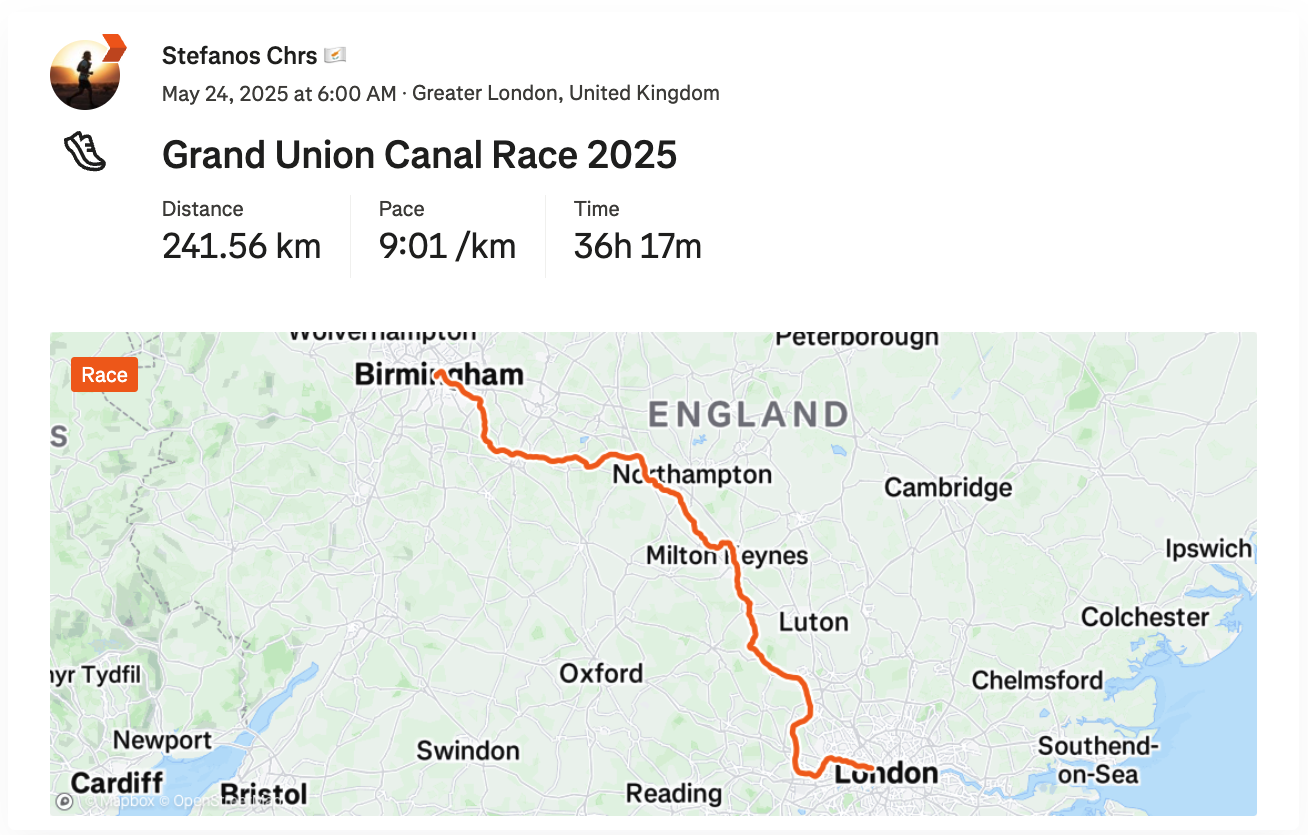
Grand Union Canal Race 2025
The final attempt at rest before the storm, is always a strange negotiation with oneself. I was in bed by 9:30 PM on Friday night, but sleep, true sleep, probably didn’t arrive until around 10:00. The alarm was set for the ungodly hour of 3:30 AM, a time that exists only for bakers and ultra-runners. But my body, already humming with anticipation, had other plans. At 2:50 AM, I woke up completely, a surge of adrenaline that made a mockery of the alarm clock. Lying in bed for another half an hour felt pointless, a waste of precious energy. It was time. The quiet pre-dawn ritual began. The methodical checks of gear and drop-bags, the familiar comfort of my morning oats, followed by a final portion of pasta for the long burn ahead. Outside, the world had started to weep; a steady rain began to fall around 3:00 AM, adding a new texture to the morning’s atmosphere. After the final checks, there was nothing left to do but wait for my friend Rob to wake at 4:00, a few minutes of stillness amidst the quiet hum of preparation.
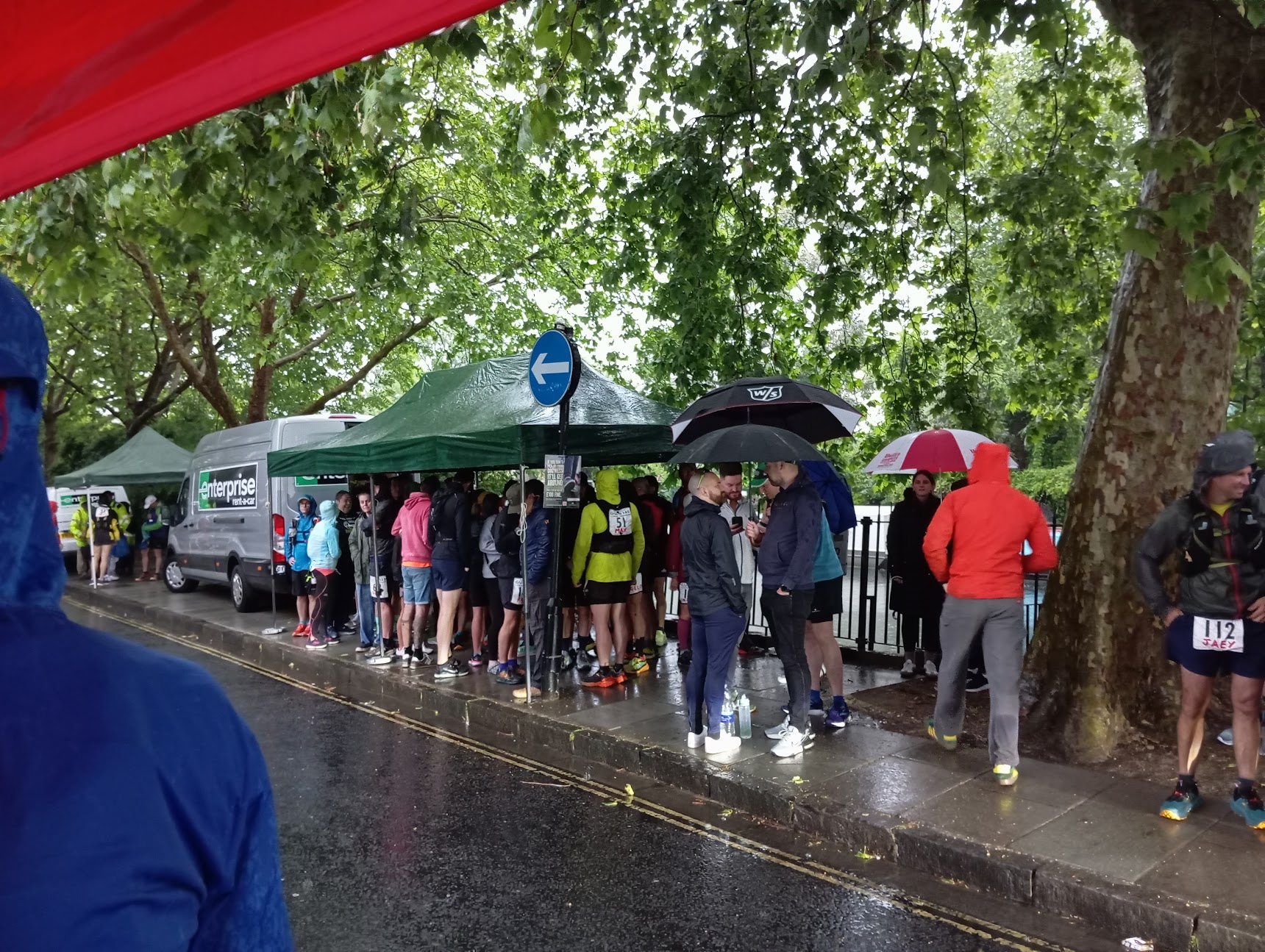
At 4:20 AM, we stepped out into the darkness and the rain. We collected the rental car, picked up Merry, and made our way to the start, aiming for a 5:00 AM arrival. The rain had intensified into a determined downpour, so we found a spot right at the start line, granting us a dry bubble with a front-row seat to the unfolding scene. We watched as solitary figures became small groups, huddling under the temporary shelter of tents, a community of hopefuls bracing against the weather. Just before the start, in that electric final ten minutes, we stepped out and connected with Raymond, AJ, Andy, and Gracy—a quick, knowing exchange of greetings and good luck, a shared understanding of the madness we were all about to embrace.
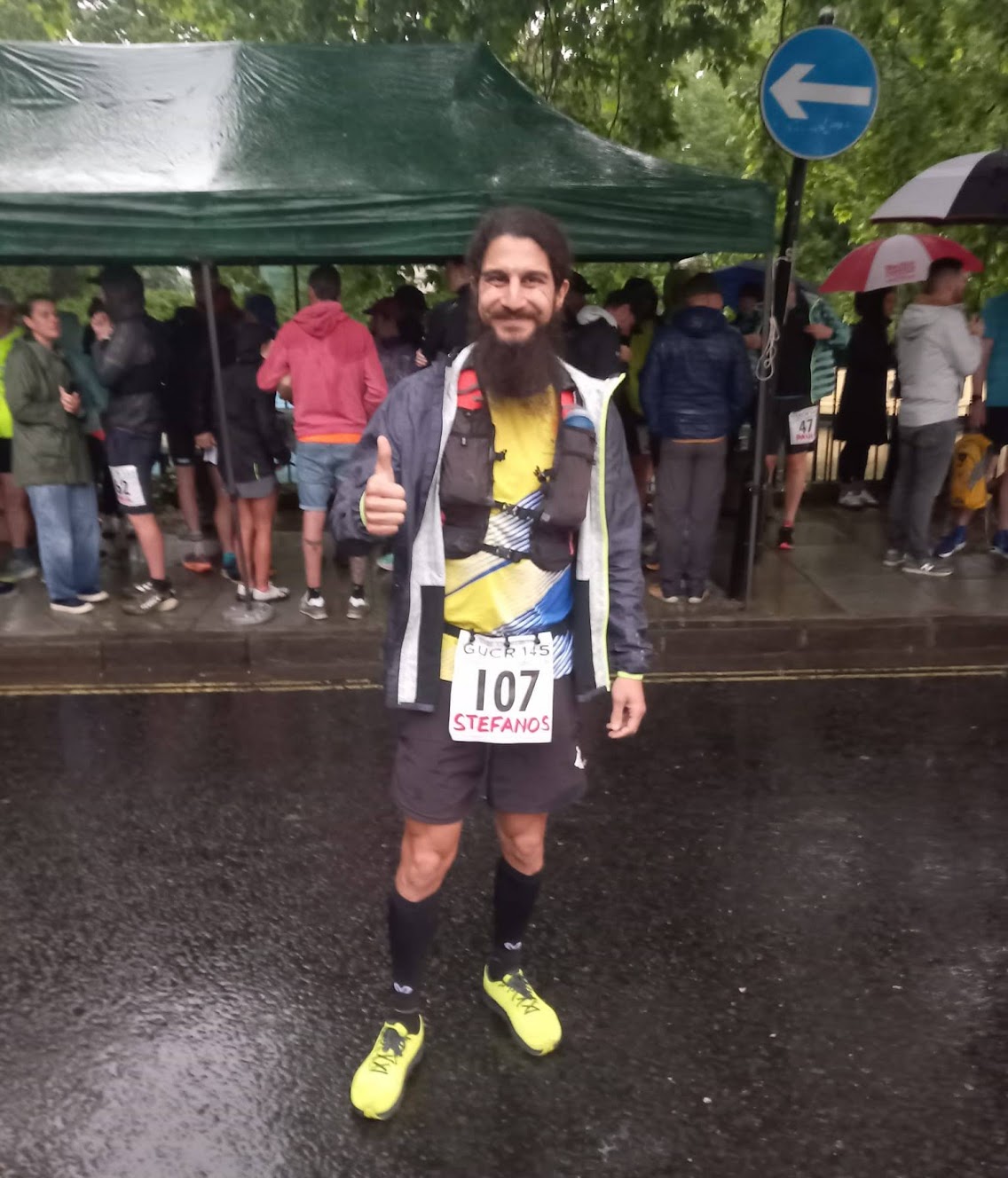
Then, at 6:00 AM sharp, came the release. In a single moment, all the waiting, the planning, and the anticipation became kinetic energy. As always, a frantic pack shot off the line, running as if it were a 10k race, their adrenaline writing cheques their bodies would have to cash later. I held back, settling into the disciplined 6:30/km pace I had planned for the first 50 kilometers. A few kilometers in, as if on cue, the rain stopped. The air cooled, the temperature settled into a perfect state for running, and a wave of pure excitement washed over me. In those early, steady moments, you don’t fully grasp the immense scale of what you’ve just begun; you just run. Not long after, the landscape began to shift. We left the paved paths of the city behind, transitioning onto a long dirt track. And it was here that the first jarring note of the day struck. The edges of the path were littered with an unbelievable amount of trash, a sad and sobering reminder of the world we were running through. It was a stark contrast to the purity of the effort, a moment of unexpected melancholy that briefly pulled me out of the race and back into the reality of our careless footprint on the earth.
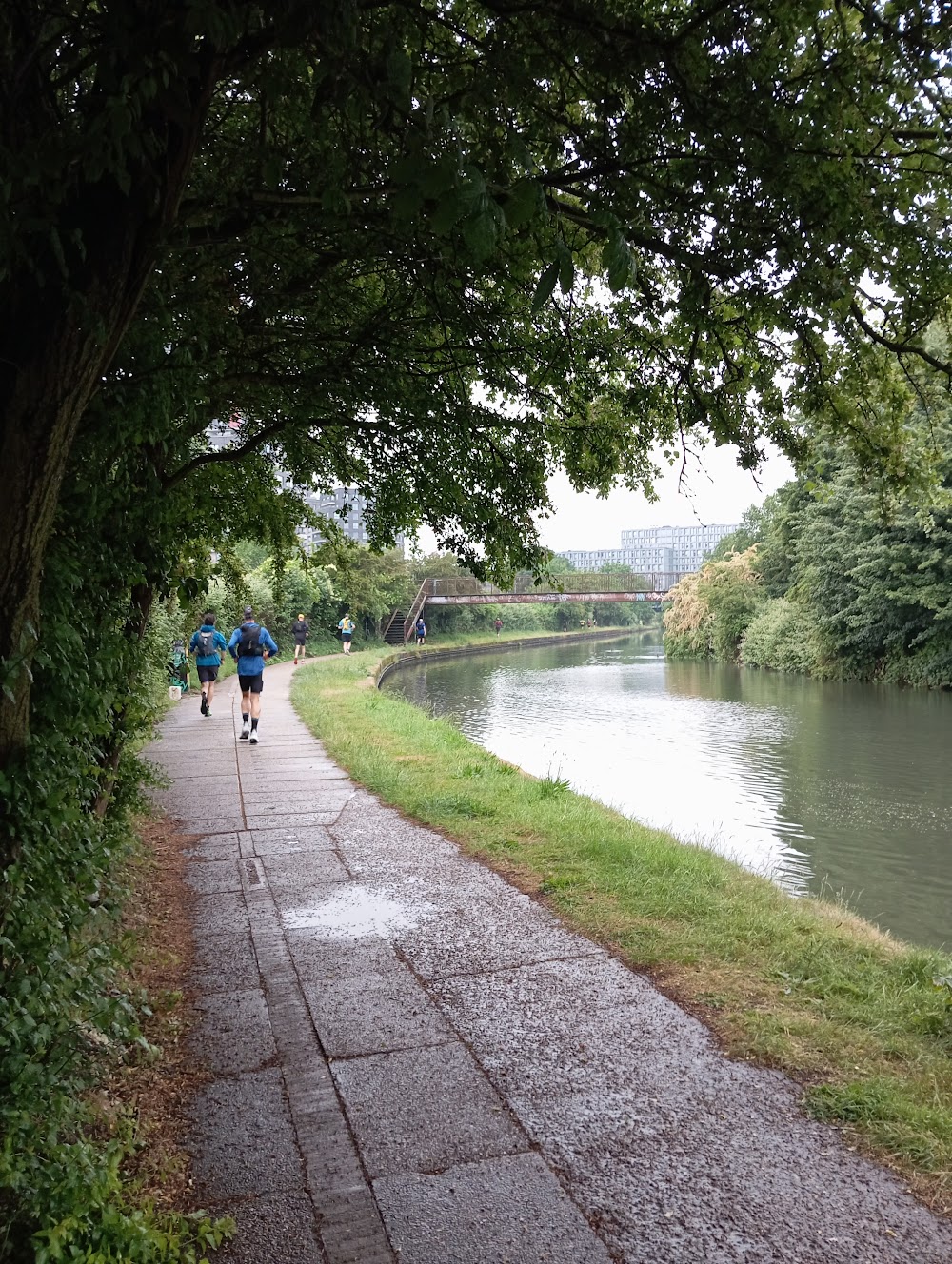
In the first 40 or 50 kilometers, the race still holds the illusion of being a collective event. You exist within a loose constellation of fellow travelers, a shared energy moving along the path. You’re aware of others, but it’s a chaotic, un-choreographed dance; everyone pulsing to the unique rhythm of their own journey, breaking away for support crews, taking their own breaks, falling into their personal run-walk strategies. But then, inevitably, the race begins to exhale. The field stretches, thins, and dissolves into the vastness of the course. The true, solitary nature of the endeavor reveals itself, and your world becomes quiet. In that quiet, the sight of another human becomes magnified. For hours, my world was shared with just a couple of other runners, familiar pilgrims on the same path. We’d pass each other, sometimes with an hour or more between sightings, and no words were ever needed. Just a brief smile, a slight nod—a silent, powerful acknowledgement that said everything: I see you. I feel you. Keep going. A detailed plan, a simple human error. That’s all it takes. My first mistake was one of timing—not in my running, but in my thinking. The strategy was sound: meet my crew every couple of hours for a fast and efficient refuel. The flaw was my decision to jot down the kilometre markers for these meeting points on the morning of the race. In the pre-dawn fog, with a mind already focused on the monumental task ahead, clarity is a luxury. My calculations were off. This seemingly small mistake on paper translated into a sobering reality on the trail. After miscalculating the second meeting point, I suddenly found myself facing a gap of one and half to two hours, with no water or food. The timing of this error was almost cruelly perfect, as my self-inflicted nutritional crisis landed at the exact moment the body typically hits the proverbial marathon ‘wall’.
This is a fascinating and dangerous place to be. When your energy is truly depleted, your mind begins to wander into dark places. It starts to invent narratives, turning every minor challenge into a potential tragedy and amplifying doubt until it’s the only sound you can hear. But the most incredible part is how fragile that despair is. The entire dramatic, world-ending crisis is a phantom that can be vanquished by a single energy bar. The moment you put some calories back into the system, the fog lifts almost instantly, and the clarity is so profound it feels like a magic trick. That experience drove home the simplest and most critical lesson of endurance running with brutal clarity: always carry emergency food, because the moment your plan fails is the moment you need it most.
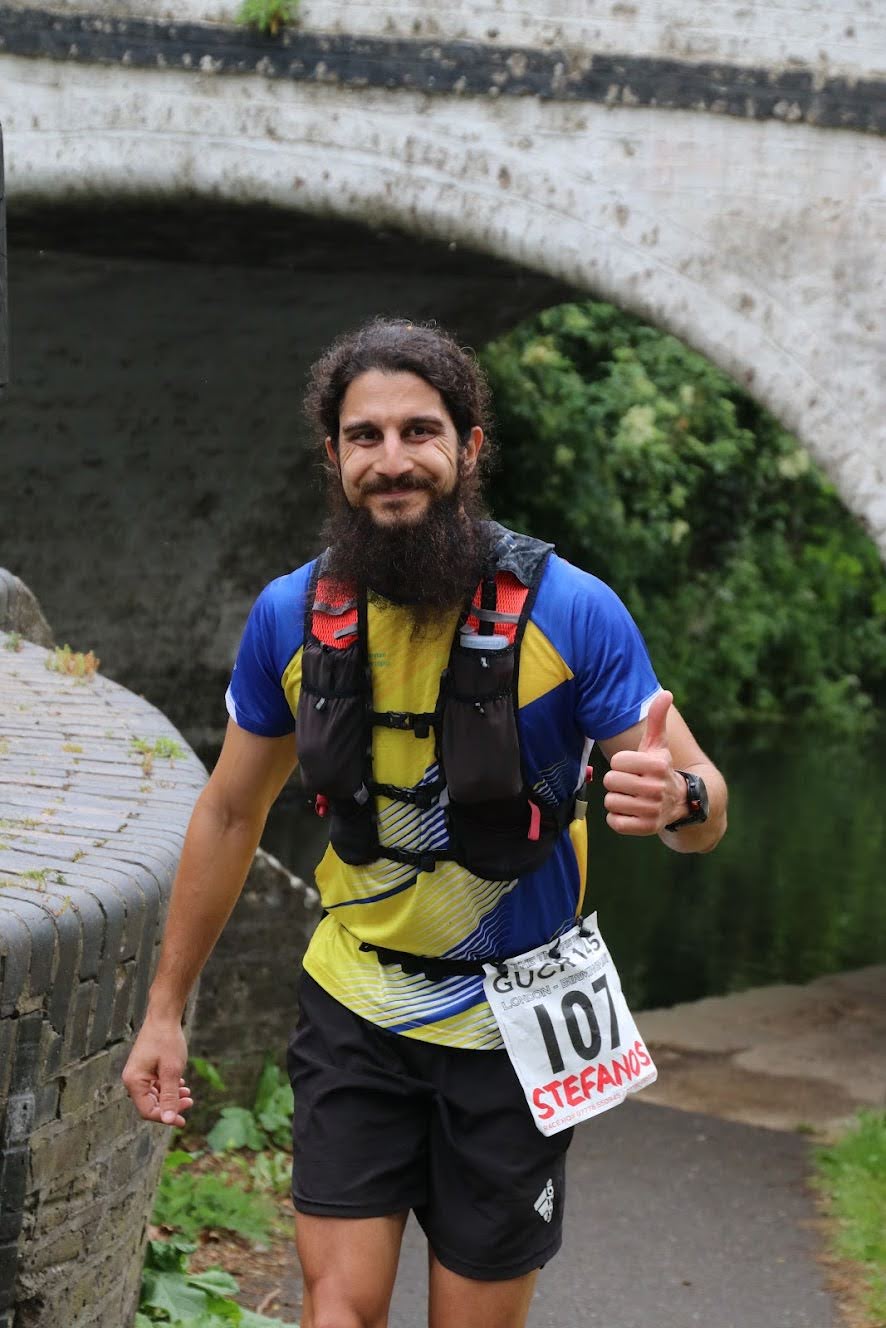
That moment of hardship also crystalized another truth: I truly believe one of the most important reasons this race went so well was the incredible, flawless work done by my crew, Rob, Merry, and Mattia. Every time I reached them, it felt less like a rest stop and more like a Formula 1 driver pulling into a pit stop. I would arrive depleted, and they would spring into action with a purpose that was both calming and electrifying. They were always ready, perfectly prepared, offering encouragement while seamlessly re-stacking my supplies, swapping out my bottles, and making sure I had everything I needed. They were a seamless extension of my own will to continue, and their efficiency and unwavering support allowed me to focus on the one thing I had to do: put one foot in front of the other, and run.
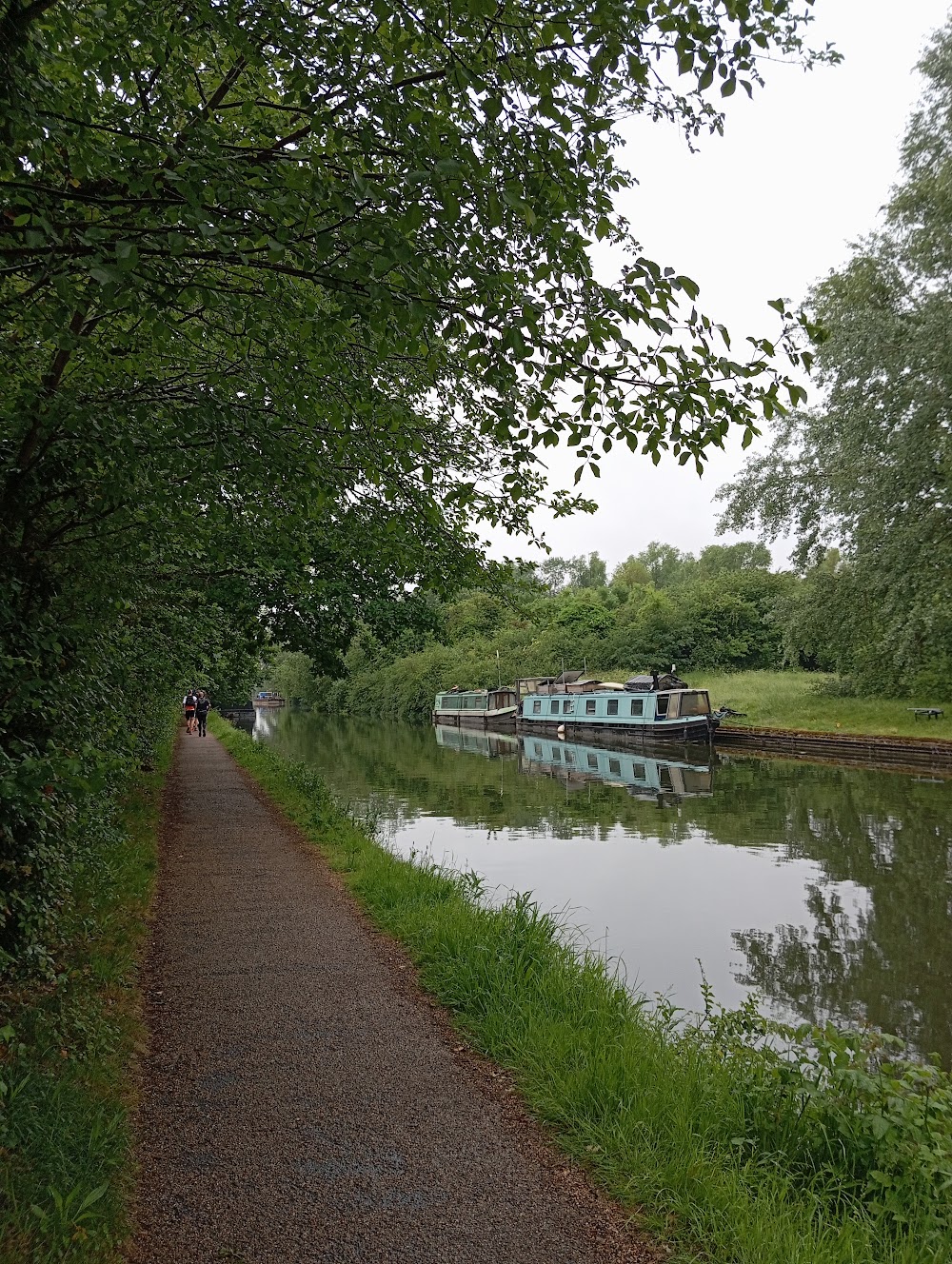
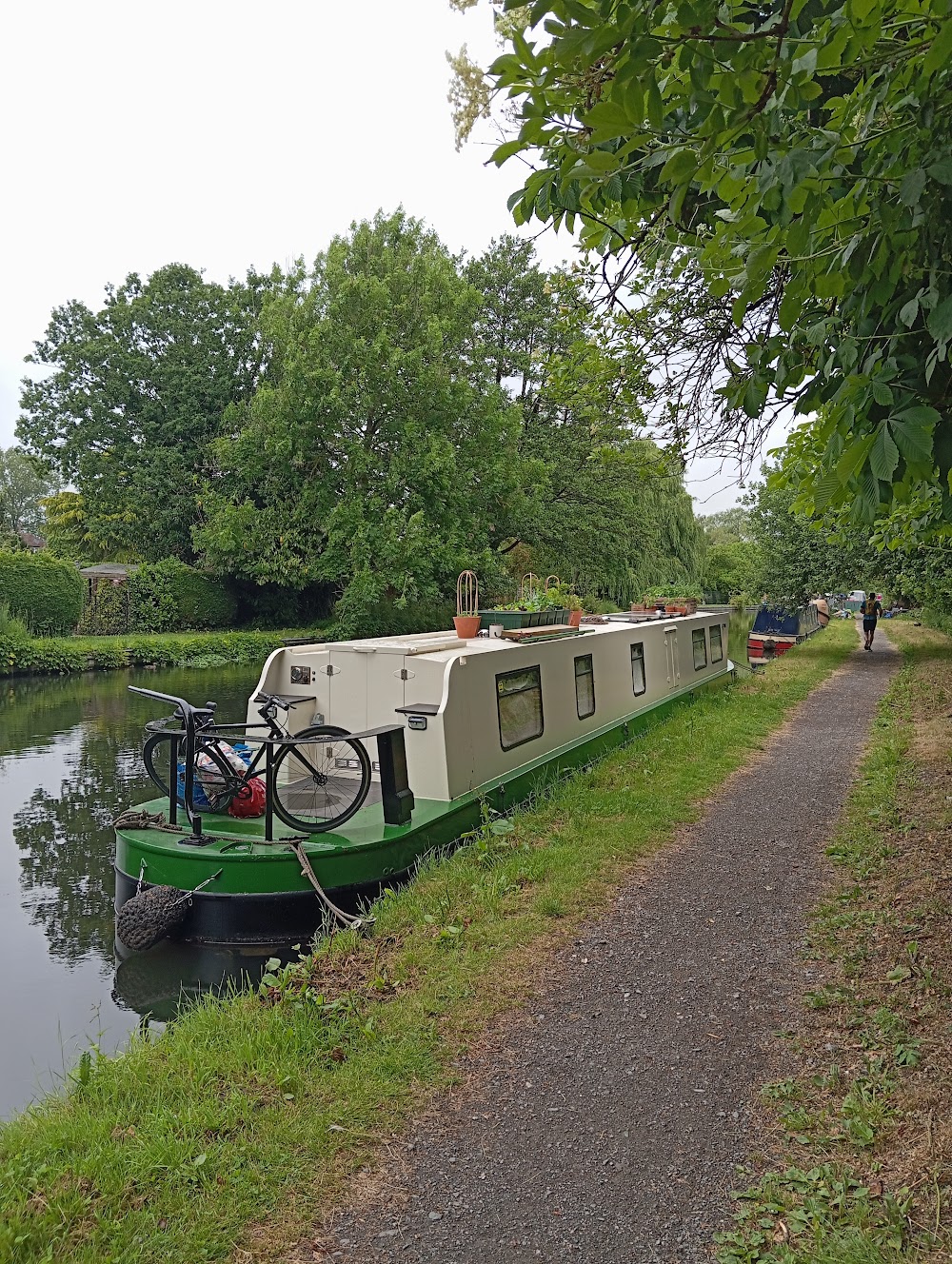
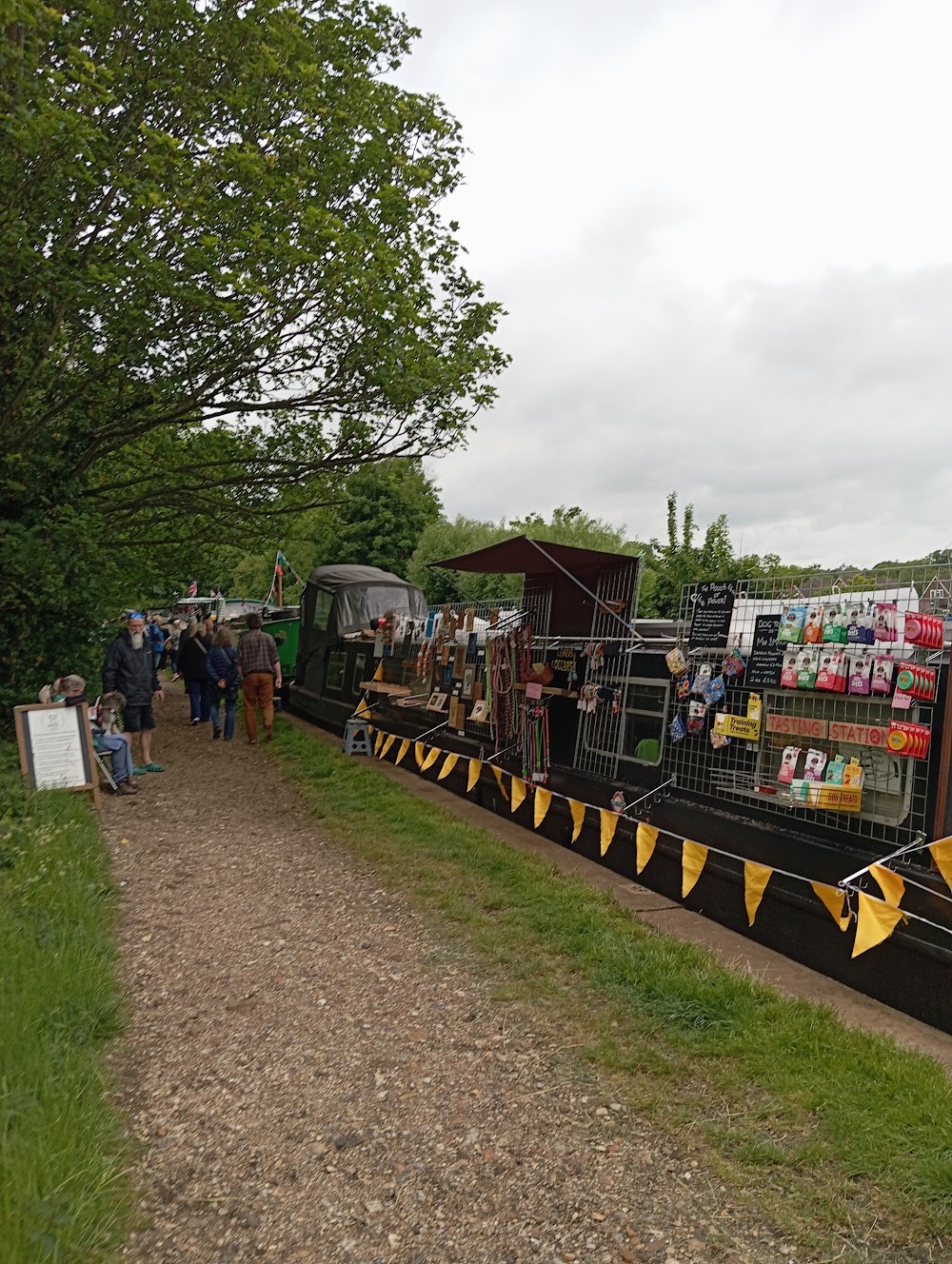
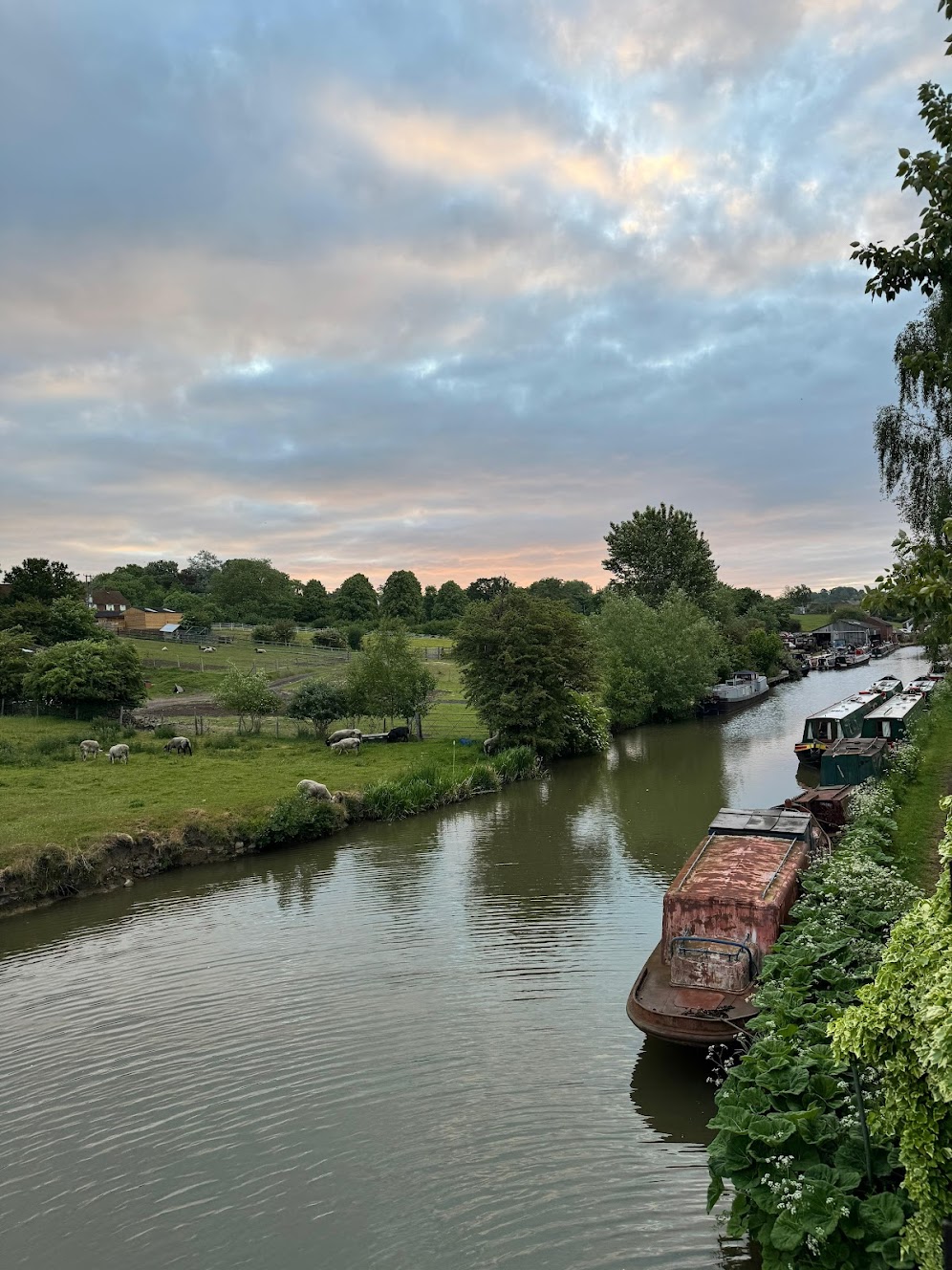
The houseboats moored along the bank were a silent, floating audience to my journey, each one a self-contained world, each telling a different story. Some were pictures of ordinary domestic life, simply transposed onto water. You’d see potted plants thriving on a deck, children’s bicycles leaning against a cabin, and catch the faint, familiar silhouette of a family sharing a meal inside. They were homes, plain and simple. But just a few hundred meters down the same canal, the scene could transform entirely. Other boats were weather-beaten and fiercely individualistic, their decks a chaotic but functional tapestry of tarps, scrap metal, and tangled fishing nets. Here you’d see solitary figures with weathered faces and a look in their eyes that spoke of a life lived on its own terms; souls who had untethered themselves not just from land, but from convention itself. It was a fascinating, silent parade of humanity, a whole spectrum of existence sharing the same narrow strip of water, and I was just a transient observer passing through their universe.
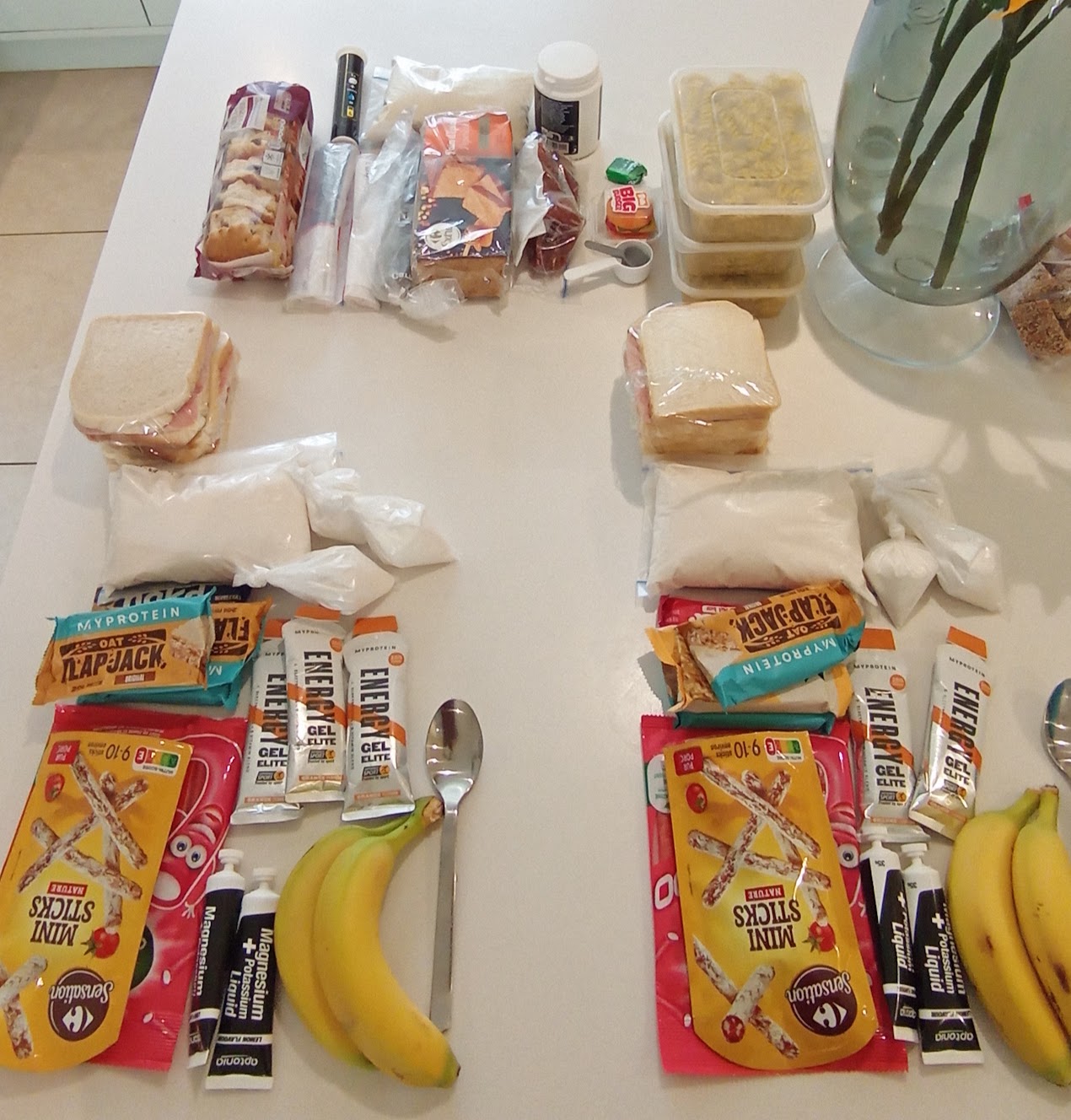
For a long time, the machinery of the body was running flawlessly. After the 50-kilometer mark, I deliberately eased back the pace to a steady 7:00-7:30 per kilometer, settling into that sacred space known as the “ultra economy zone.” My legs felt powerful, my cardiovascular system was so untaxed it felt like nothing was happening, and everything was proceeding exactly according to plan. But in the quiet hum of that efficiency, a familiar challenge began to emerge: the complex and often frustrating battle of nutrition. A quiet rebellion begins to brew in your gut after ten or eleven hours. Your body cries out for the easy calories and carbohydrates found in sweet things, yet your palate and stomach stage a revolt against the relentless sweetness.
While the isotonic drink was still going down, providing a steady stream of carbs, the single, monotonous orange flavor was becoming a taste I was learning to despise with each passing liter. The engineered bars and gels, once essential, now felt like a chore to get down, their texture becoming more alien with every attempt. The huge portion of pesto pasta I had packed, which seemed like a genius idea hours earlier, was now a dense, oily reminder of what the body no longer wanted; it was simply impossible to swallow. A civil war was breaking out between my body’s desperate need for fuel and my stomach’s defiant rejection of the usual options.
So while the conventional ultra-fuel was failing, it turned out that a strange and specific collection of foods I’d brought along became my lifeline. The only things that went down without any problem, right until the very end, were the sour liquorice sticks—a trick I have to credit Merry with for introducing me to them last year in Jordan. Another reliable source of energy was the iconic pain d’épices—a spiced bread that’s a familiar sight at nearly every race aid station in France. I also relied heavily on some simple white bread sandwiches filled with ham, cheese, and peanut butter. I know the combination sounds surprising, maybe even a bit disgusting to some, but adding some salted peanut butter to the mix just works. And finally, there were the infant cereals; just a few spoons mixed with water created a very digestible, calorie-dense paste that my system accepted every single time. An honorable mention has to go to the worst fueling idea of the race: the scone. I’d seen them while shopping the day before and thought it would be a nice way to honor the host country. But a plain, cold scone on the trail is a different beast—it was so unbelievably dry that I couldn’t even manage to take a single bite.
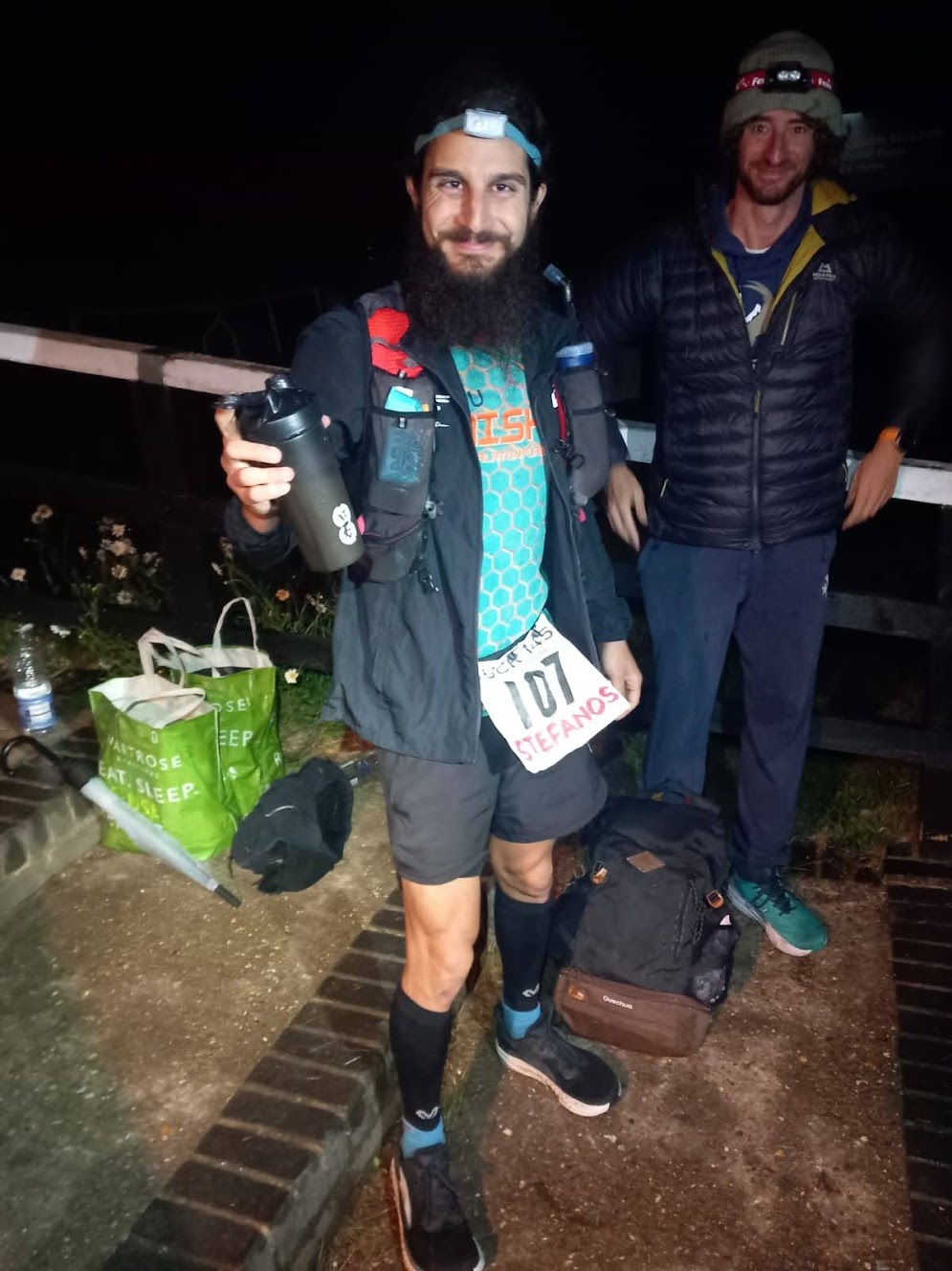
This race also marked a complete overhaul of my caffeine strategy. In past multi-day efforts, my approach was reactive: I’d wait for the heavy curtain of sleepiness to fall, usually around 10 or 11 PM, before deploying a 200mg caffeine tab like a shock trooper to blast through the night. A coffee top-up in the morning would get me going again, followed by another tab to fight off the inevitable lunchtime crash. It was a strategy of peaks and valleys. This time, I tried something proactive. I began at 7 PM, well before fatigue set in, with just half a tab—a mere 100mg—and repeated that small dose every four hours. It was a revelation. The familiar, jarring kick was replaced by a gentle but persistent current of alertness. There was no dramatic surge, but instead, a steady, unwavering focus that carried me through the night, a quiet hum of energy that never faltered. It was a game-changer.
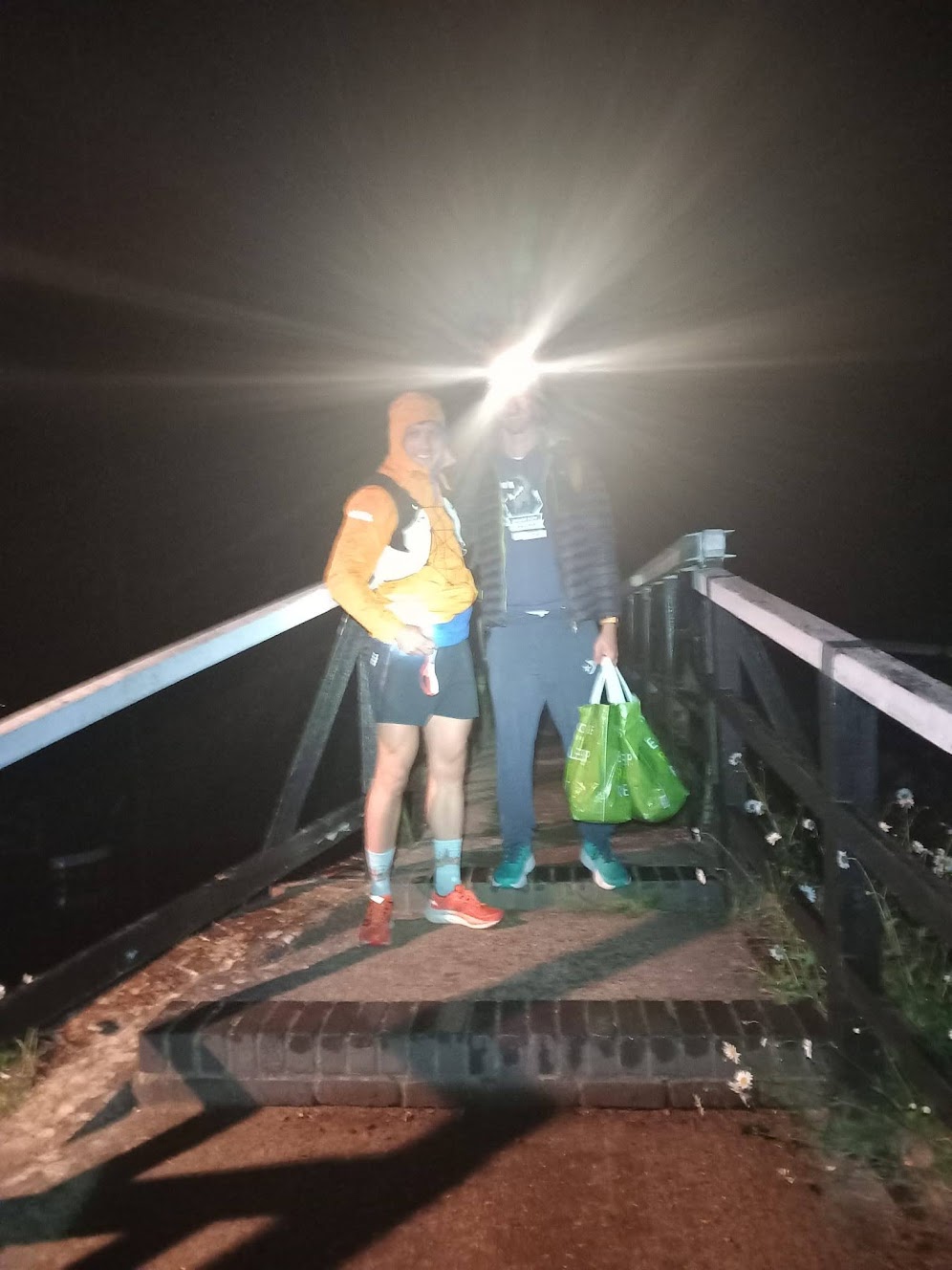
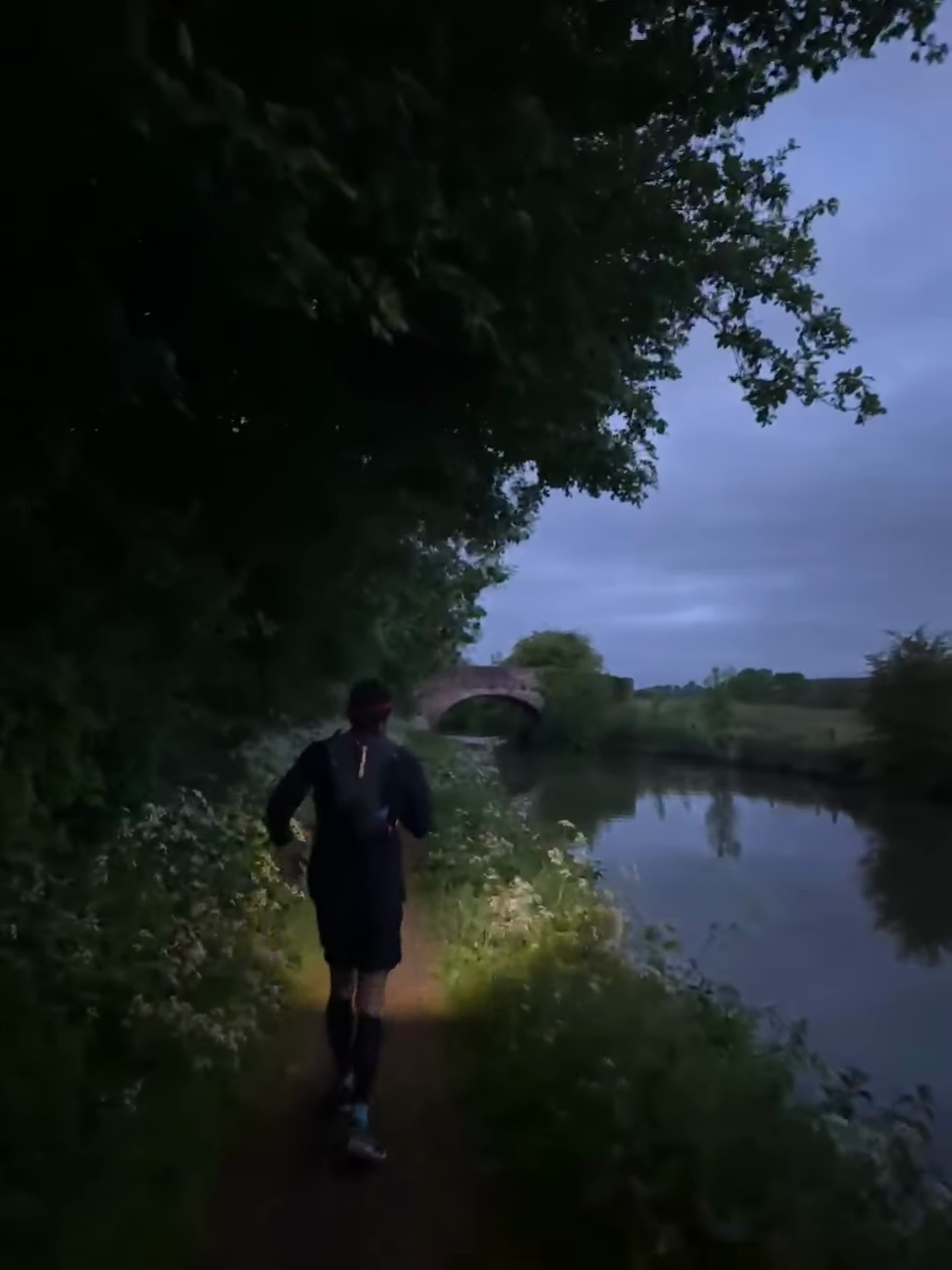
At some point into the night, somewhere around the 17th or 18th hour in the game, my body sent out a warning signal. It started with that ominous, internal gurgling that every (ultra)runner dreads, a bubbling in my stomach that quickly escalated into something that required a frantic dive into the bushes for what can only be described as an explosion. What made it so demoralizing wasn’t the single event, but its repetition. Having to stop again and again over less than a single kilometer didn’t just halt my progress; it opened the door for a small, cold fear to creep in. By a stroke of sheer luck, I was close to a crew meeting spot. There, I pulled out the two Imodium pills I always keep in my race vest. It’s a habit I’ve kept for years, packing them for every race ‘just in case’, but I’d never actually had to use them before now. The effect was immediate; the crisis was averted. It was a powerful reminder of how an entire race, with all its months of training, can be undone by the simplest of problems if you aren’t carrying the simplest of solutions. With the internal crisis managed, a new phase of the race began. After the halfway point, we were allowed a ‘buddy runner’—someone to run alongside for company, though they couldn’t pace or carry gear. Just after midnight, my crew began their rotations, each taking a two to three-hour shift on the dark trail. The change was profound. After so many hours alone, the simple presence of another person was a grounding force. Sometimes we’d talk, other times we’d move in comfortable silence, but just feeling that I wasn’t the only soul out there running along a canal in the dead of night was an incredible relief. Their company was also practical; the path had become treacherous, a minefield of holes hidden by fallen leaves and low-hanging thorny branches that snagged at your clothes and skin. Having a second pair of eyes piercing the darkness made navigating the trail a shared burden, and infinitely safer.
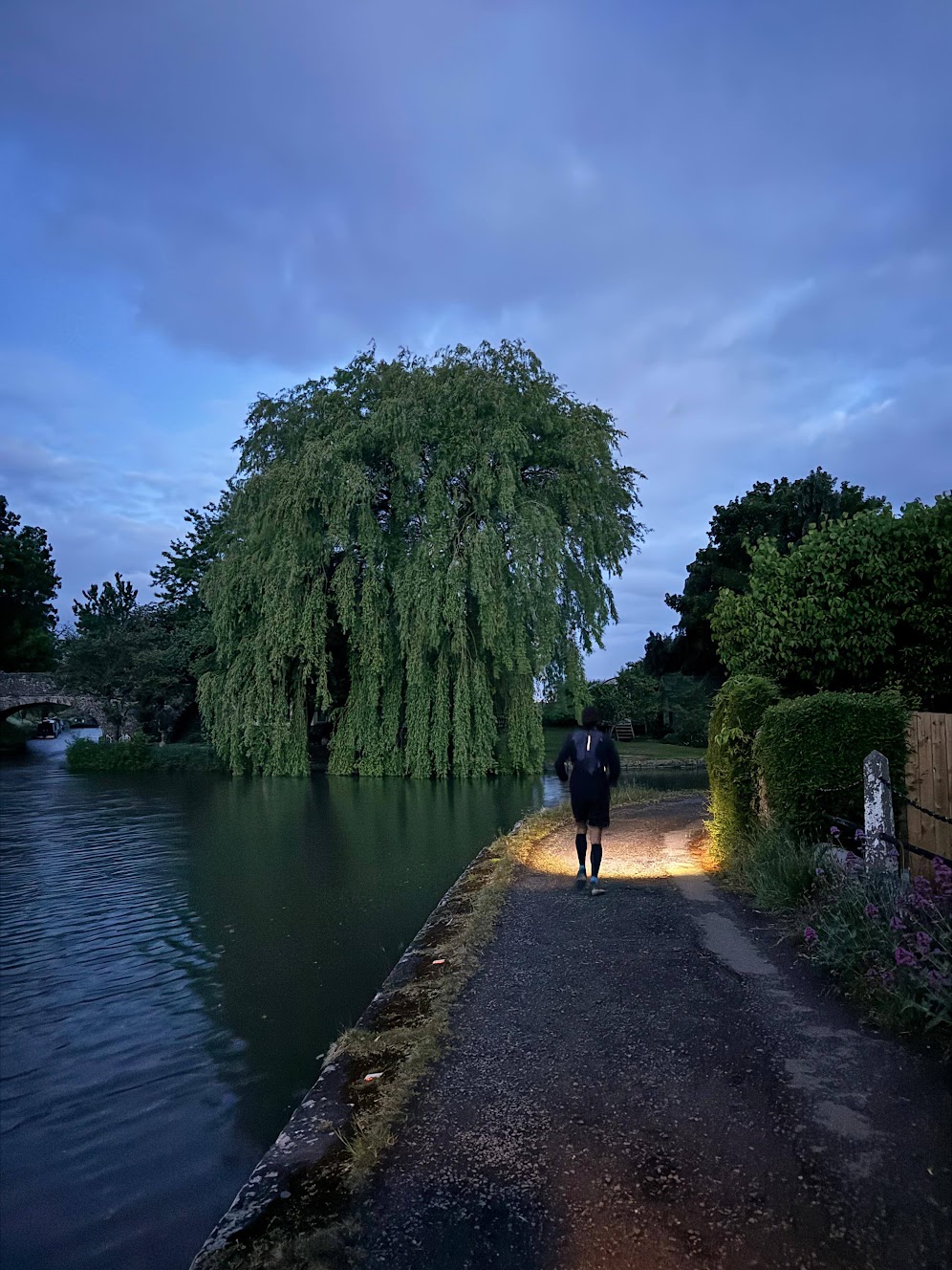
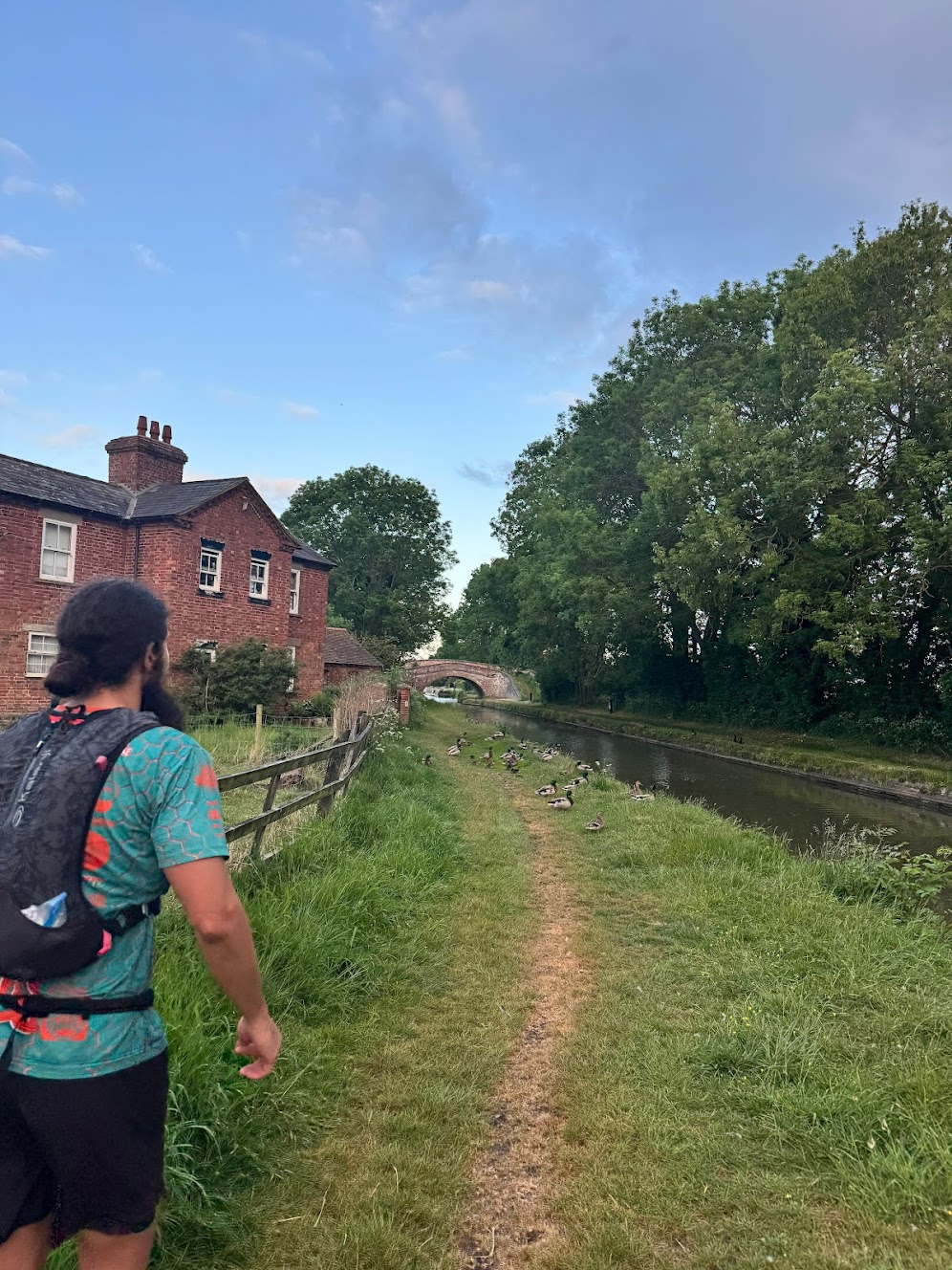
As the long night finally began to recede, it gave way to what was, without a doubt, one of the prettiest sections of the entire course. The first light of dawn revealed a landscape of serene beauty, the path suddenly lined with patches of pretty white flowers and running beneath the sweeping branches of giant weeping willows. The canal wound past well-preserved old farmhouses and neatly-tended fields, a postcard of the quiet English countryside. The beauty of the morning brought with it not just a new wave of energy, but an unexpected surge of happiness as I mentally ticked off milestones. I realized I had already smashed my 24-hour track record of 146km, and even earlier, had been just 6km shy of my 12-hour record of 101km. Then I passed the 180-kilometer mark in around 25 hours—a full two hours faster than my time at L’Ultra Marin - Grand Raid a few years prior. It was a quiet, personal victory discovered in the middle of a much larger battle, a tangible sign that my endurance was evolving, pushing my own perceived limits further down the trail.
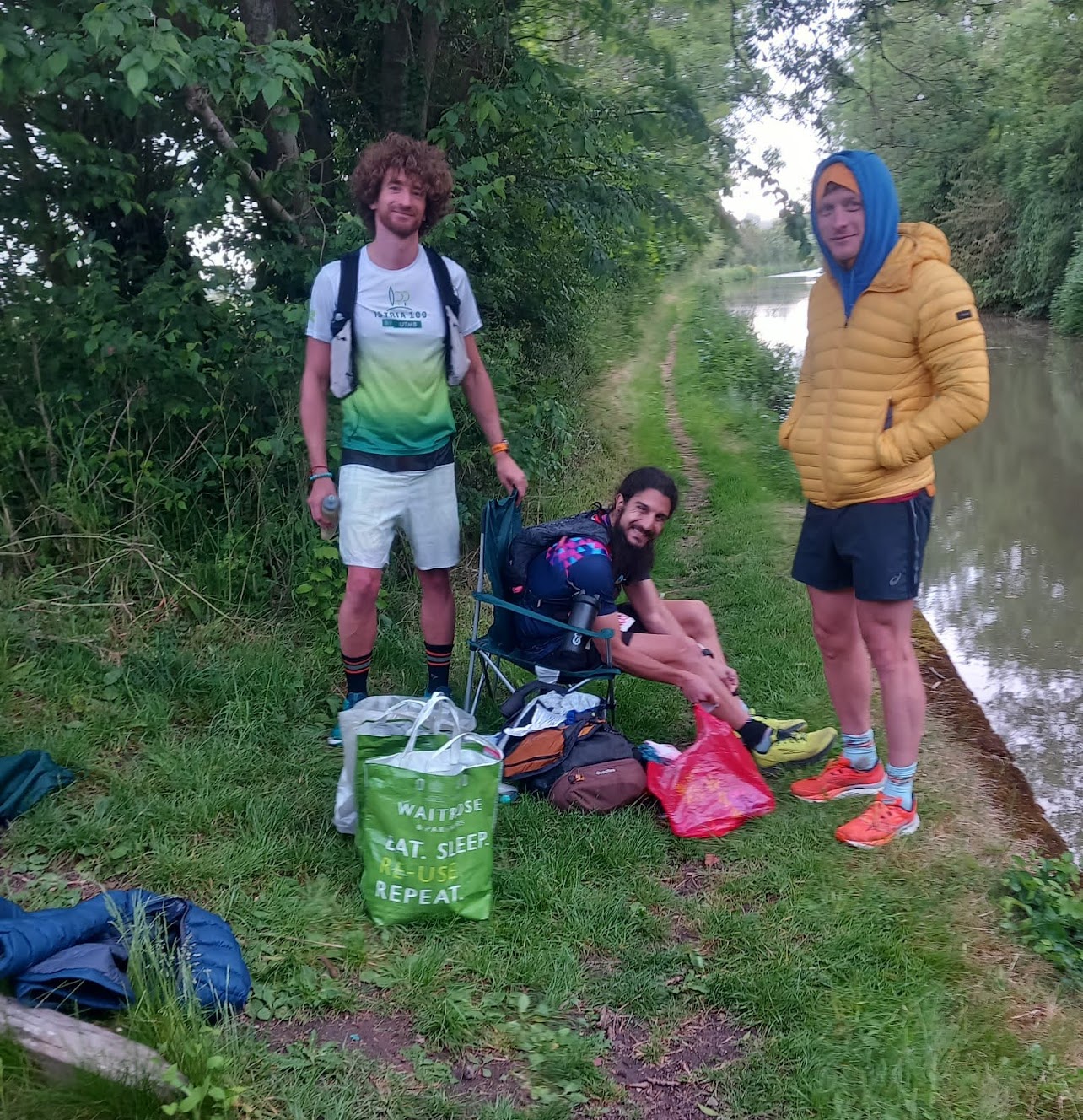
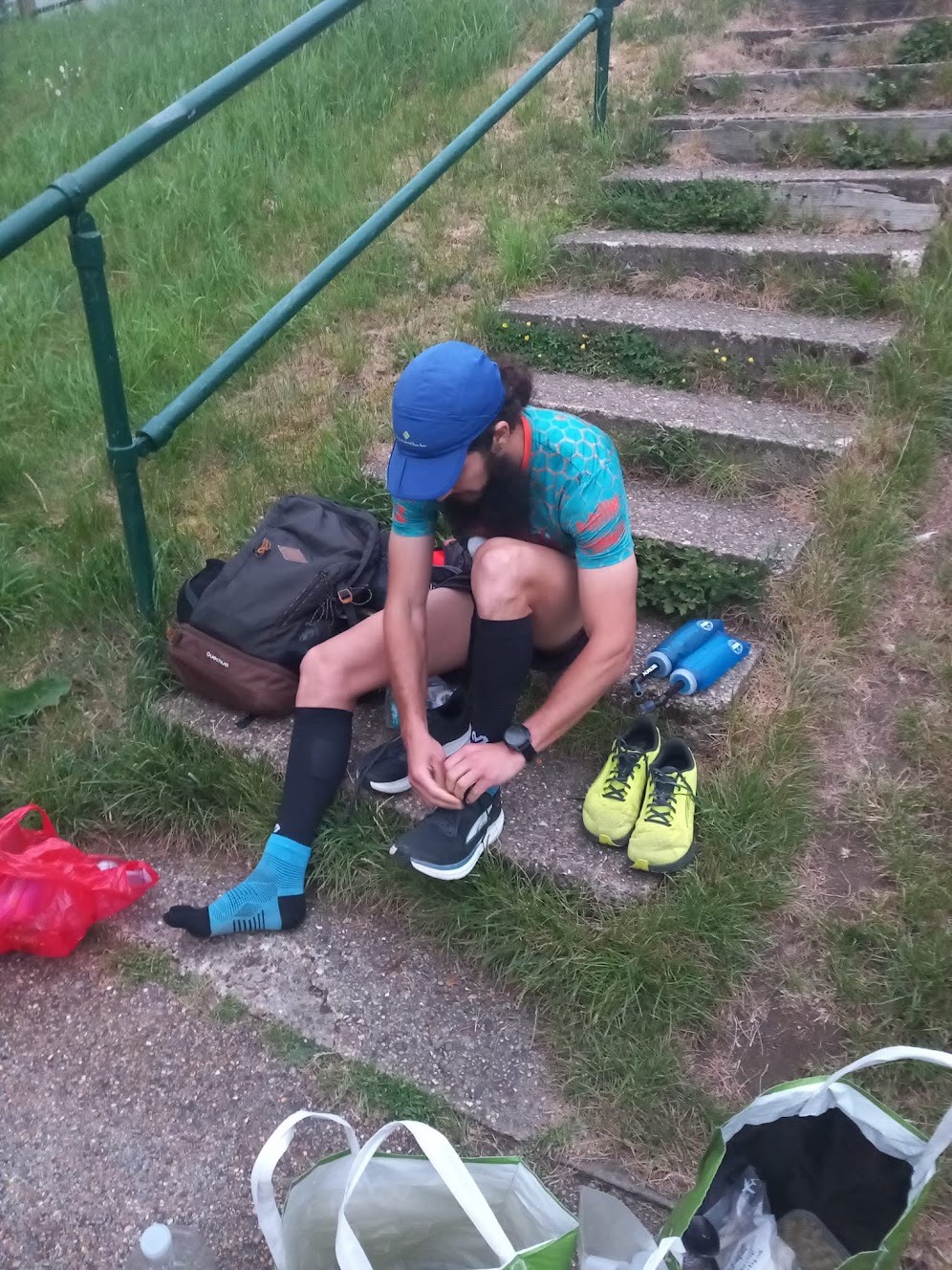
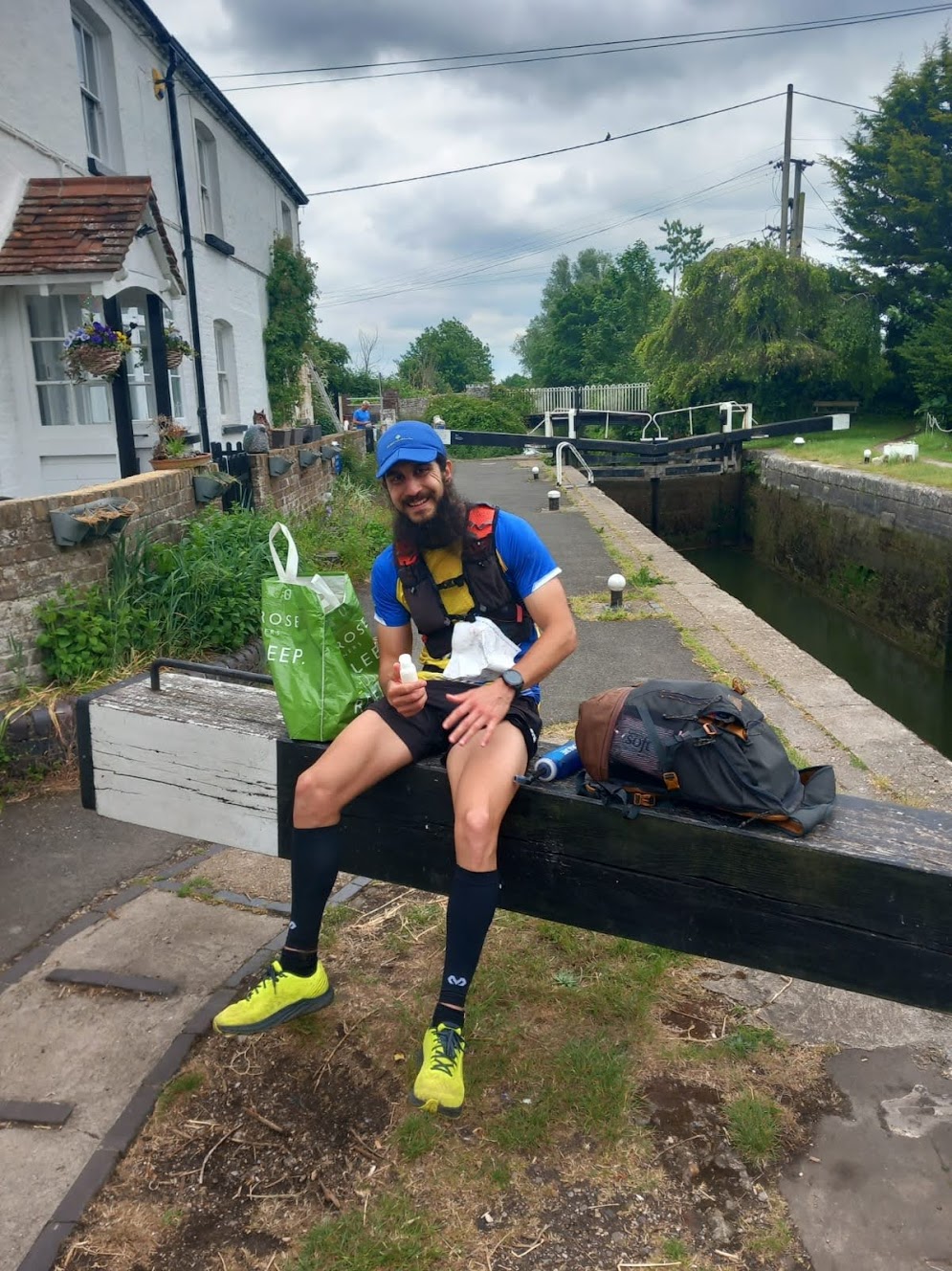
Part of my race strategy involved a full system reset every twelve hours. So around 6 AM on Sunday, I took a quick stop to change my socks, shoes, and t-shirt, as well as a quick wipe-down with a no-rinse body wash, a fantastic product I’d discovered during our stage race in the Jordanian desert last year, where we went five days without showers. That small act of removing the layers of sweat and grime felt like washing away hours of fatigue. So, as the sun came up on Sunday, I left the crew stop feeling almost reborn, ready for the final stretch.
The final marathon began as a war of attrition. The accumulated sleep deprivation wasn’t making me drowsy; it was a deeper, more profound fatigue, a hollowing out of my core energy reserves after more than 30 hours on the move. But the more immediate battle was being waged in my legs. The slight tension that had been building in my quads for dozens of kilometers suddenly escalated. With about 40-50 kilometers to go, the background noise of discomfort became a screaming protest. My quads were turning to stone. Continuous running was no longer a negotiation; it was an impossibility. My body, forced a new strategy upon me: a fractured rhythm of running and walking. I’d bargain with myself for a kilometer or two of running, sometimes only managing half of that before the intense pain forced me back into a walk. It was a slow, humbling process, a stark contrast to the fluid miles from the day before, but the new mantra was brutally simple: just keep moving forward.
While dealing with this physical breakdown, a strange echo from the first day resurfaced. Back around the 30-kilometer mark, when I was dehydrated and low on fuel, I’d had a bizarre 10-15 minute spell of dizziness and a strange sense of imbalance. I had brushed it off as a consequence of my fueling error. But now, with just 30 kilometers to the finish, it happened again. The timing was made all the more strange as the scenery had shifted into something unusual for this course; big, swampy trees rose from both sides of the canal, their branches reaching over to almost form a wide, green tunnel. In this strange new environment, the sensation returned, but more intensely. It was a surreal, disorienting experience that’s hard to describe. It felt as if there was a slight latency between my brain and my body; a command to move would be sent, but the physical response felt disconnected, a fraction of a second behind. It was trippy. A brief but potent glimpse into the bizarre wiring of a mind pushed far beyond its normal operational limits. The final approach into Birmingham was its own special kind of psychological torture. The city was getting closer, we could feel it, but the finish line remained an abstract concept, a destination that refused to materialize. We were trapped in a seemingly endless canal maze. The path would lead us over a bridge, only to plunge us under another, forcing sharp lefts and rights with no discernible logic. My quads were now at their absolute limit, making every shuffling step—even walking—a painful, grinding effort. With every turn that failed to reveal the end, another small part of my resolve chipped away, worn down by both the physical pain and the mental frustration. It felt like we were running in circles, getting closer but never arriving, lost in a concrete and water labyrinth with the exit nowhere to be found.
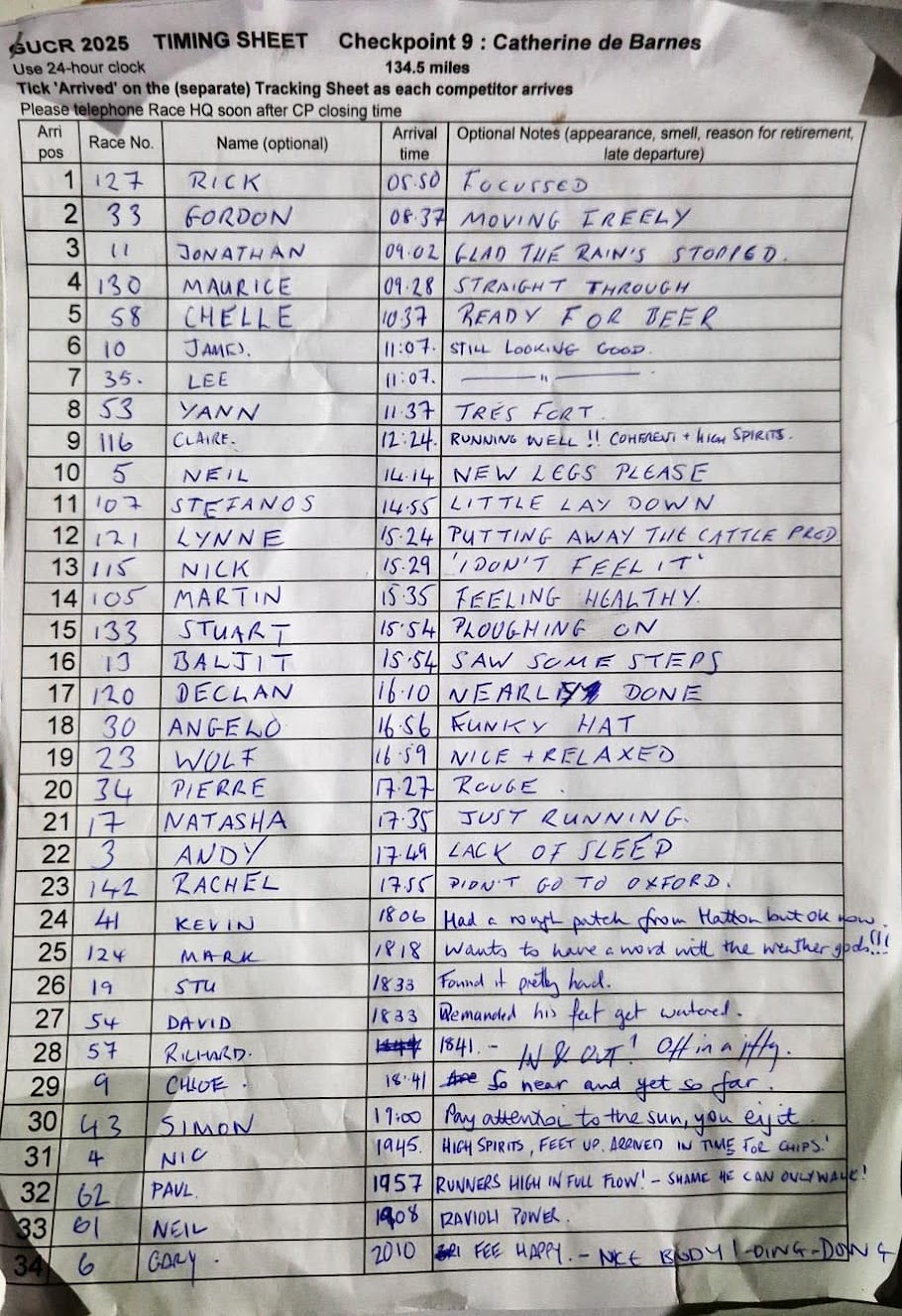
Then, all of a sudden, it was there. Like an oasis appearing in the desert, the finish line materialized, and this time it was real. A small, strange part of me—I won’t hide it—felt a pang of disappointment, a whisper that wanted this illusion to be just another trick of the mind, to keep on going. But that was just a whisper; the other 99% of my being was screaming with relief. We had finally arrived. The Gas Street Basin, the canal basin in the heart of Birmingham, was pulsing with life. People were everywhere, living their normal lives, enjoying a pleasant Sunday afternoon—shopping, dancing at day parties, drinking in the sun. And then there was us, shuffling through the middle of it all like invisible aliens from a distant galaxy, two ghosts moving through a world that had no idea what we had just done, focused only on crossing that long-lasted arch.
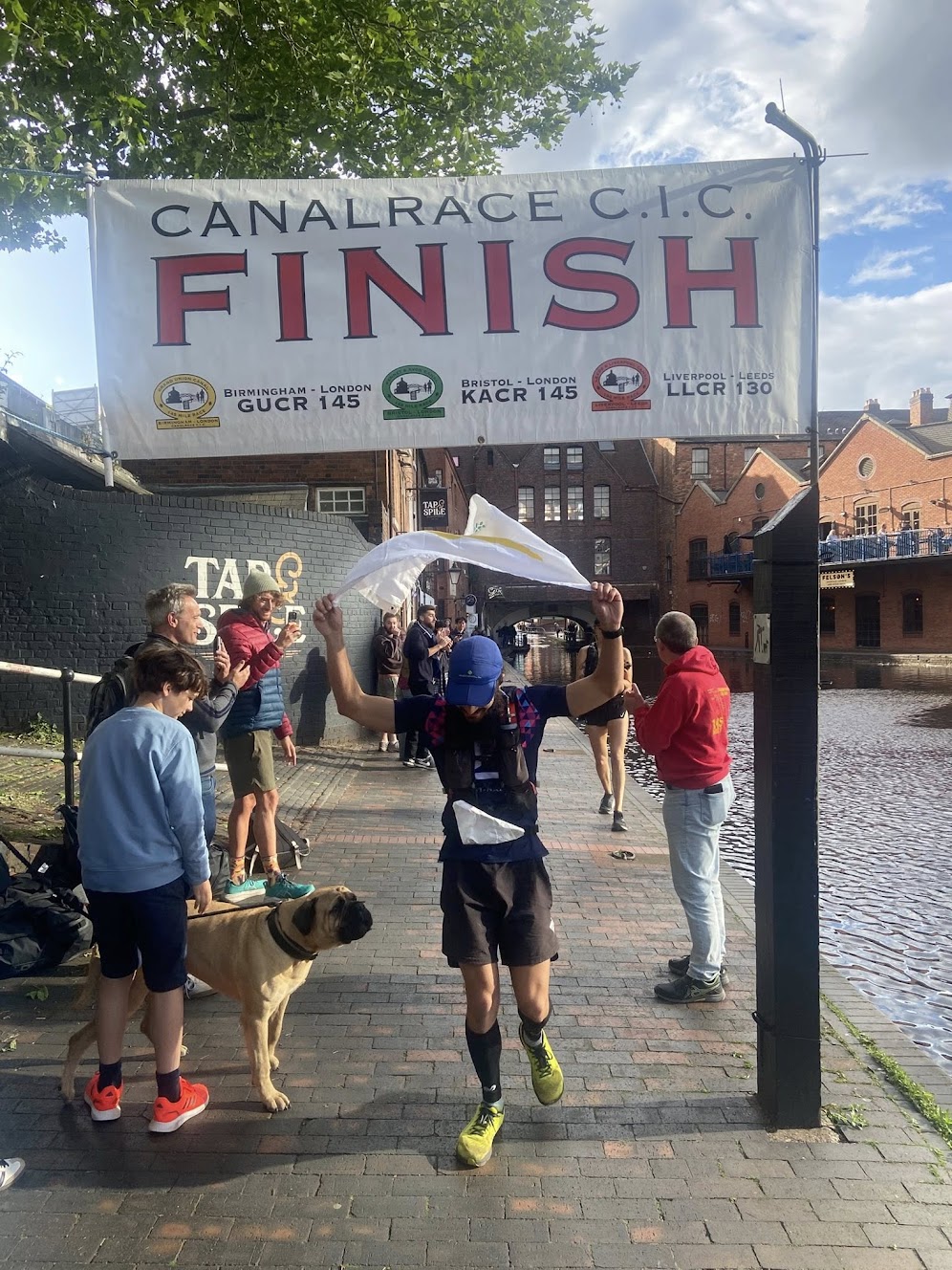
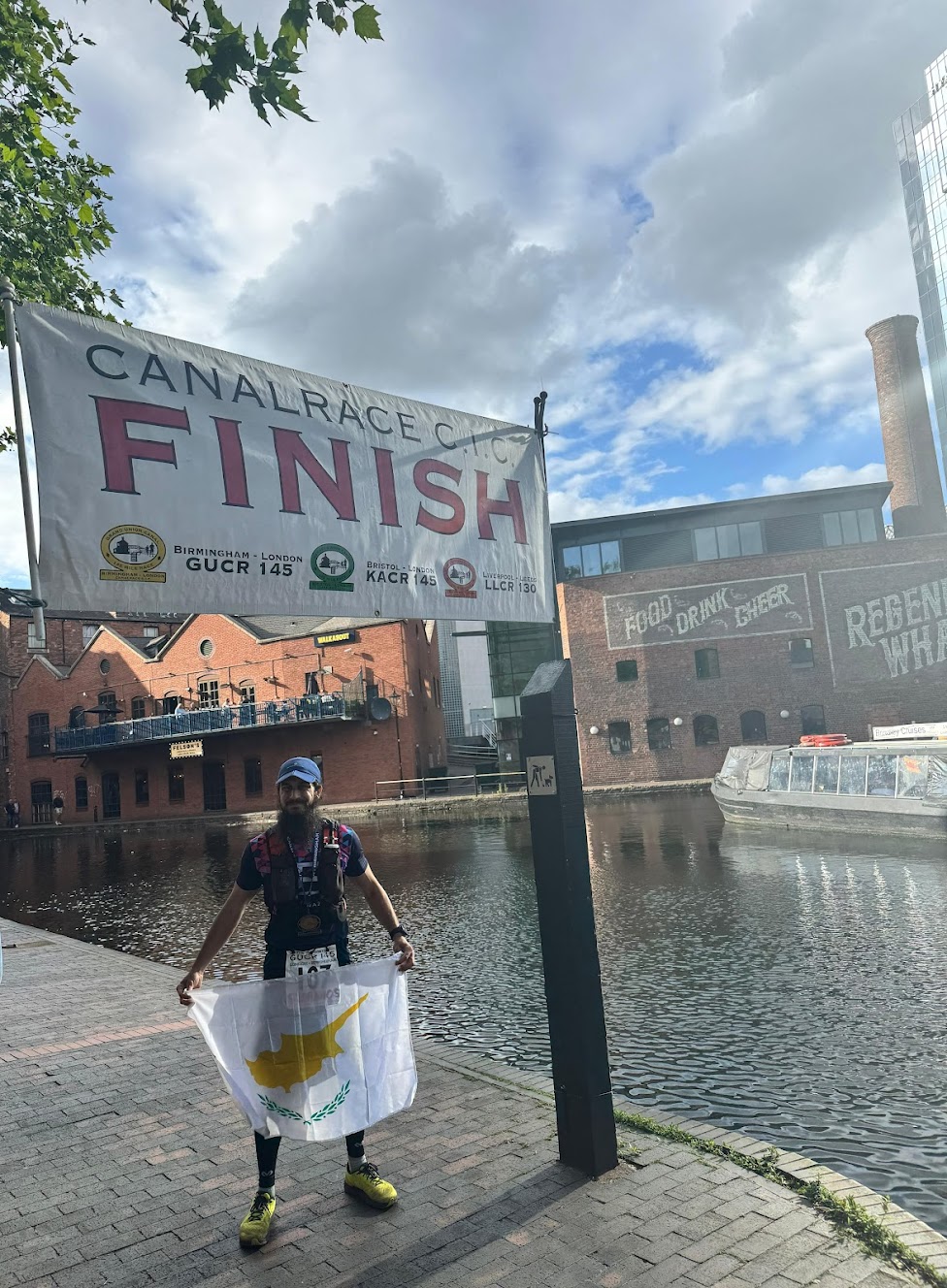
Something fundamental shifted in my mentality during this race. I don’t quite know how to explain it, but it was a profound change. For most of the race, I was moving very well, feeling strong and fully committed. In the early stages, a familiar, tempting thought would often creep in: “You have 45 hours to get this done, just rest for a little while, slow down, there’s plenty of time for the cut-offs”. But then another voice immediately took over. A voice that refused to let me settle for just chasing cut-off times. A voice that would demand to push through it. And so I did. I pushed. I couldn’t stop thinking about all my previous long races, where I had been overly conservative, yes, going far, finishing, but never truly testing my own limits, and the thought of repeating that pattern was out of the question. This new mindset kept me hyper-focused. My mind flashed back to that recent David Goggins video, the one where he’s training an MMA champion. The champion was on the floor, vomiting from the exertion, and Goggins was just standing there with that sick, knowing laugh, completely unfazed. He looked at the fighter and told him, “You’re only at 40% of your capability right now. Only 40% of your true potential. Your brain is just putting limiters on you.” That image, that idea, was my mantra.
When you’re moving for so many hours, pain becomes a strange and transient thing. Sensations come and go, and if you can redirect your thoughts, you realize that most of it isn’t true pain; it’s just your body’s self-preservation system kicking in, trying to protect you. However, the quads stiffness during the last kilometers was a different story. That part was very real, and it’s hard to understand it unless you’ve been in a situation like that, where you need to exist in that painful physical state for seven or eight hours straight. There, you really need the mind to take over and drag the body along, step by agonizing step. You learn in that space that your mind is so much stronger than you ever give it credit for.
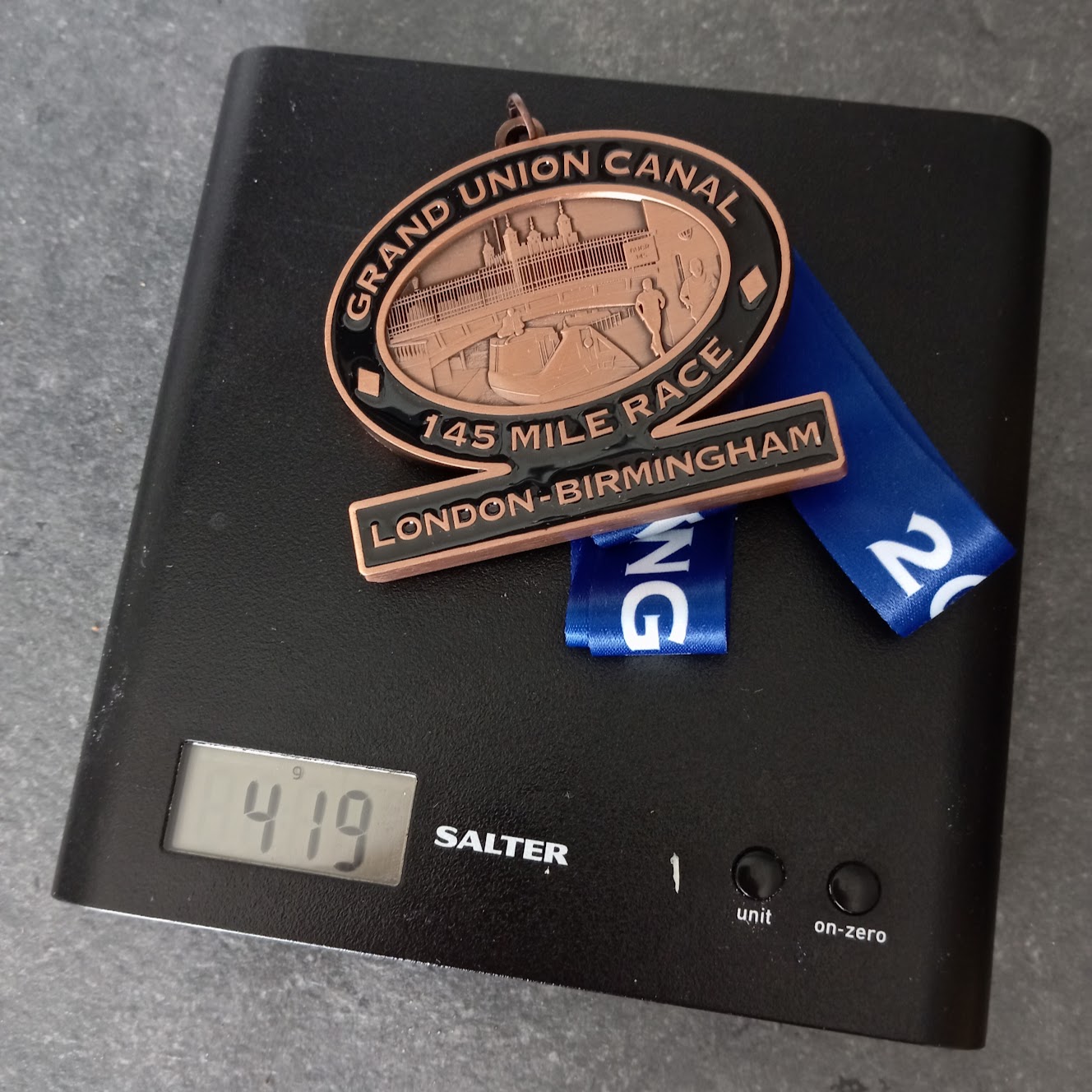
People often ask why would you want to do something like this. They see the pain, the exhaustion, and the sheer absurdity of it all. What they don’t see is how these kinds of events take you through an entire spectrum of human emotion—all the highest peaks and lowest valleys, condensed into just a few days. They don’t see what you find in those quiet, monotonous hours when the world is stripped away. It’s not about glory or a finish line. It’s about discovering a depth of resilience you never knew you possessed and realizing that the ’limiters’ your brain puts on you in normal life are just as illusory. You come back from a journey like this fundamentally rewired, carrying the quiet confidence that whatever comes next, you can handle it. You’ve already been through worse.